

Just-In-Time (JIT) production is a manufacturing philosophy focused on eliminating waste across the entire production process. By producing goods only in response to specific customer demand, JIT reduces excess inventory, lowers storage costs, and improves quality. This approach helps manufacturers deliver the right products at the right time while maintaining efficient, cost-effective operations.
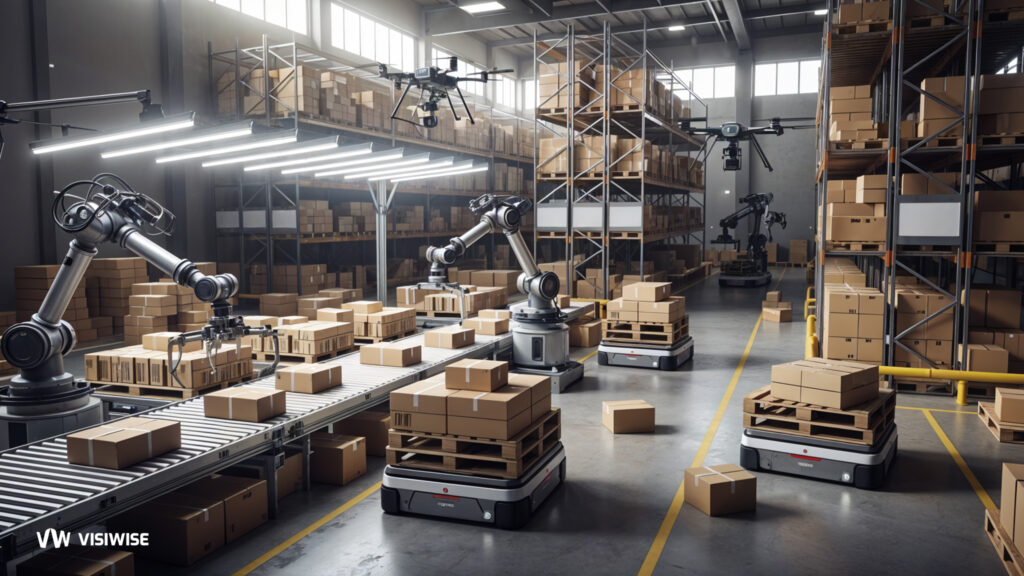
Artificial Intelligence and the Future of Logistic Industry
Artificial intelligence is reshaping logistics and shipping by replacing reactive processes with intelligent, data-driven systems. From warehouse automation and order fulfillment to container shipping and port operations, AI improves visibility, accelerates decision-making, and strengthens resilience across global supply chains. This article explores how AI is driving more predictive and efficient logistics management.
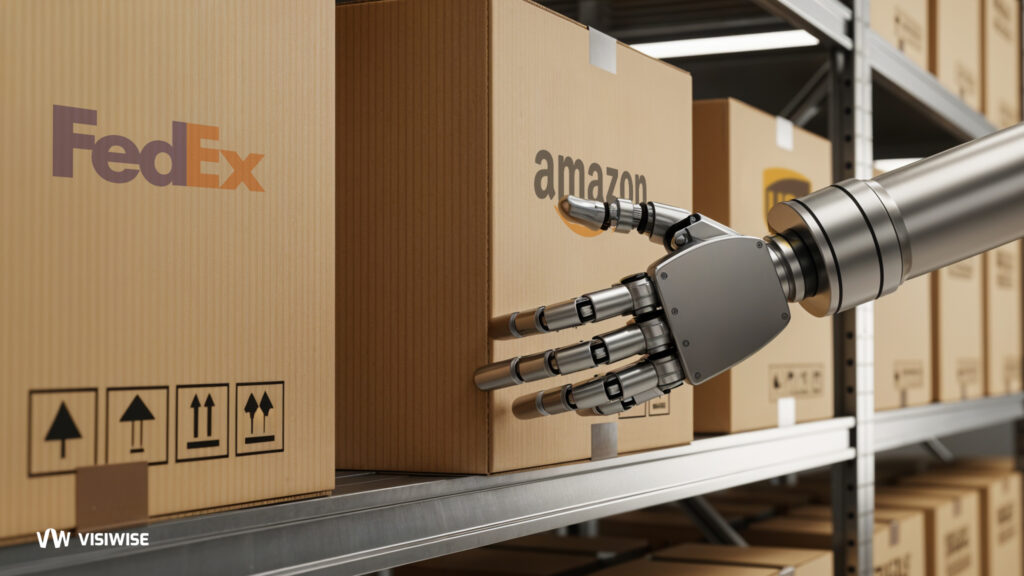
AI in Supply Chain Risk Management: Real-World Examples & Benefits
AI is redefining supply chain risk management by turning reactive processes into predictive, data-driven systems. From supplier risk scoring to real-time disruption alerts, artificial intelligence helps companies anticipate issues before they occur. This article explores real-world examples and key benefits of using AI to build smarter, more resilient supply chains.
What Does DAP Mean in Shipping? Understanding Delivered at Place Incoterms
in this blog post we’re going to break down what it exactly means and what are the responsibilities of buyer and seller under the Incoterms rules.
Air Freight Forwarding Process: A Step-by-Step Guide to Efficient Air Cargo Shipping
Need something delivered urgently—like critical medical supplies or vital parts for production? Air freight forwarders are the logistics experts ensuring your cargo arrives quickly and seamlessly. In this guide, we break down the air freight forwarding process and how it all works behind the scenes.
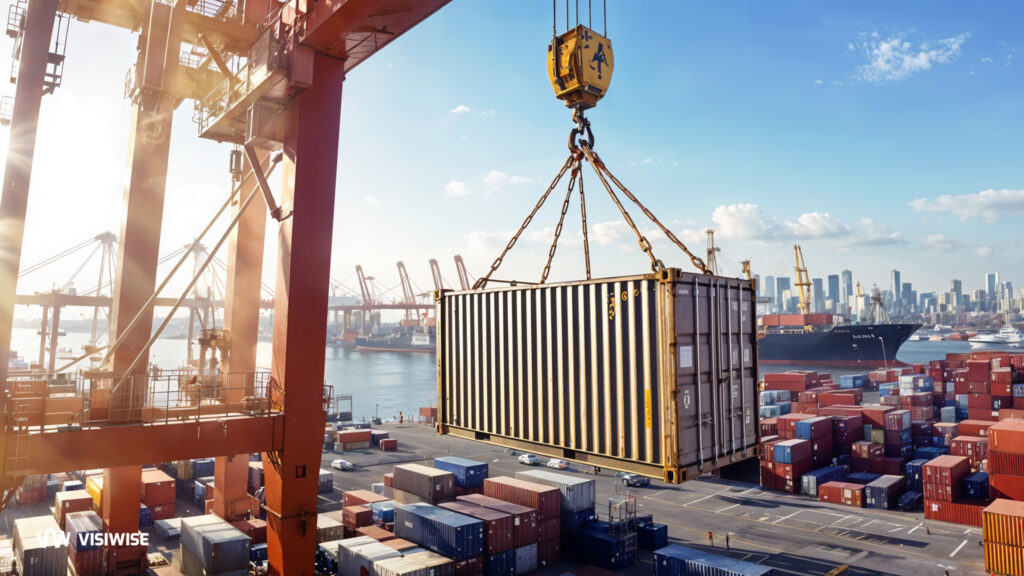
The Complete Guide to Container Pickup at Ports
Port pickups shouldn’t be this hard. This guide cuts through the chaos with street-smart tactics to dodge fees, speed up pickups, and keep your shipments moving. No jargon, just results.
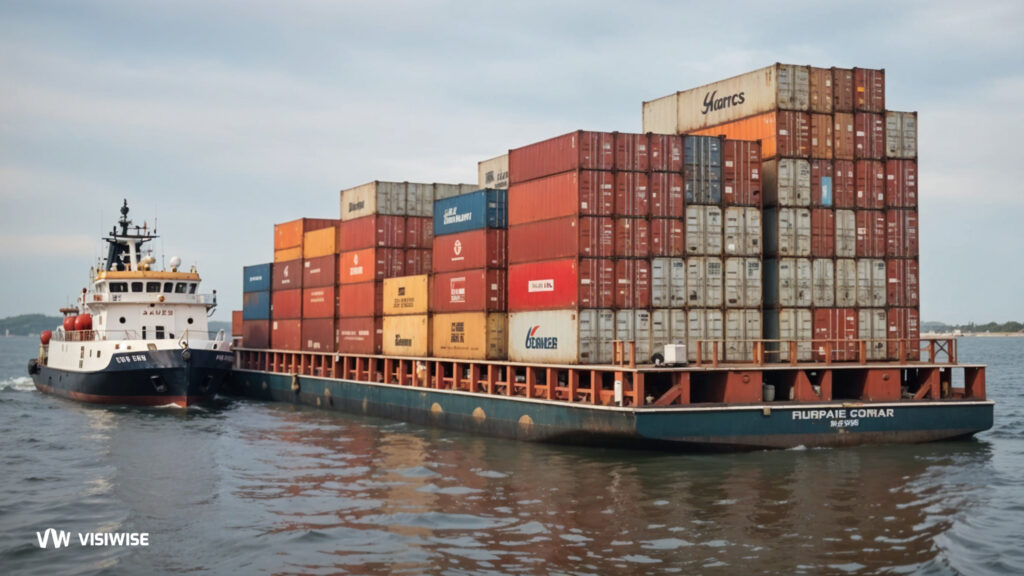
Container-on-Barge (COB) Transportation: The Smart Alternative to Trucks & Trains
COB is intermodal freight transport where shipping containers are stacked on barges and towed across waterways. It offers an alternative to trucks and rail, especially for moving goods between seaports and inland destinations. In this guide, we explore its use in major ports with strong waterway connections.

Door-to-Door Shipping: The Complete Guide for Hassle-Free Deliveries
In this guide, we’ll break down everything you need to know on how to get your stuff where it needs to go, stress-free.
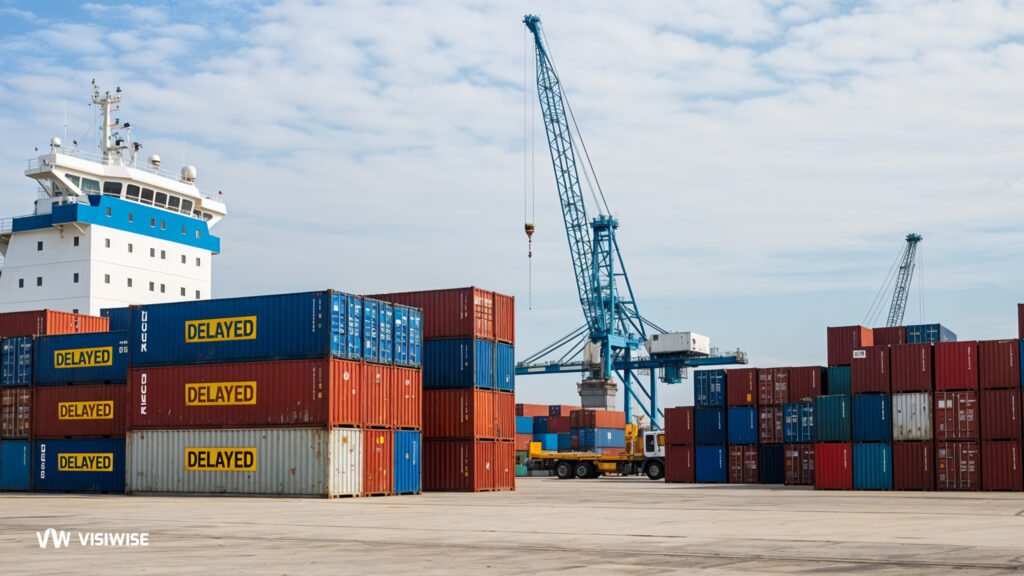
Container Port Congestion: Causes, Impacts, and Solutions
Imagine ordering something online, only to find it’s delayed for weeks. The culprit? Port congestion—where ships queue offshore, containers pile up, and deliveries stall. This global trade traffic jam stems from rising demand, outdated infrastructure, labor shortages, and weather disruptions. But there’s hope: businesses are responding with smarter logistics, alternative routes, and technology to keep supply chains flowing.
Improving Container Flow Through Street-Turns in Shipping Logistics
In this blog post we explain what the Street-Turn is in intermodal shipment and how it works.
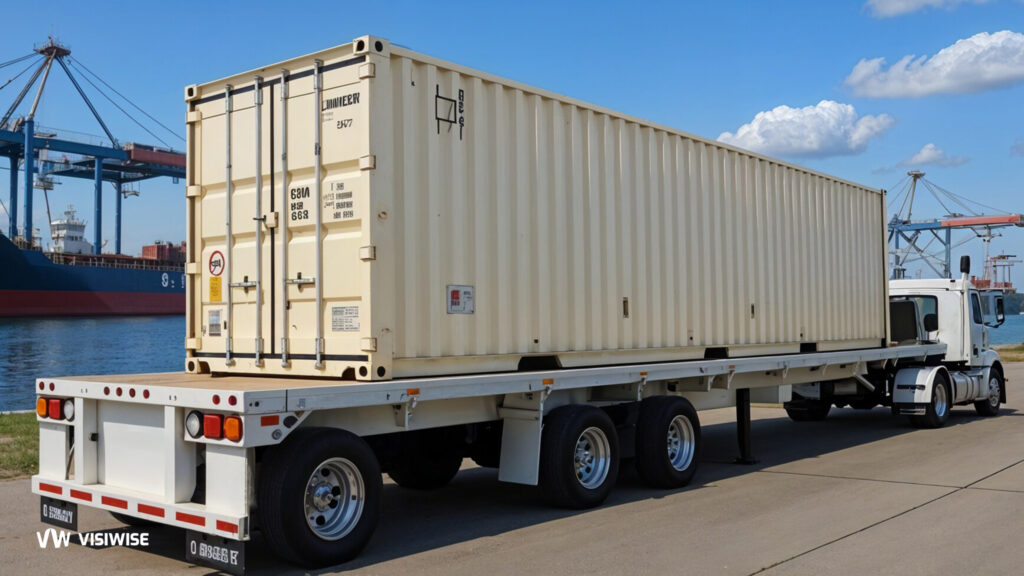
Tilt-Bed, Flatbed, or Chassis? How to Choose Your Container Trailer
Shipping container delivery doesn’t need to be complicated. From tilt-bed trucks to flat-beds and chassis, this guide breaks down your delivery options based on your property, container size, and budget—using plain language, not industry jargon. Find the method that fits your needs and avoid hidden costs.
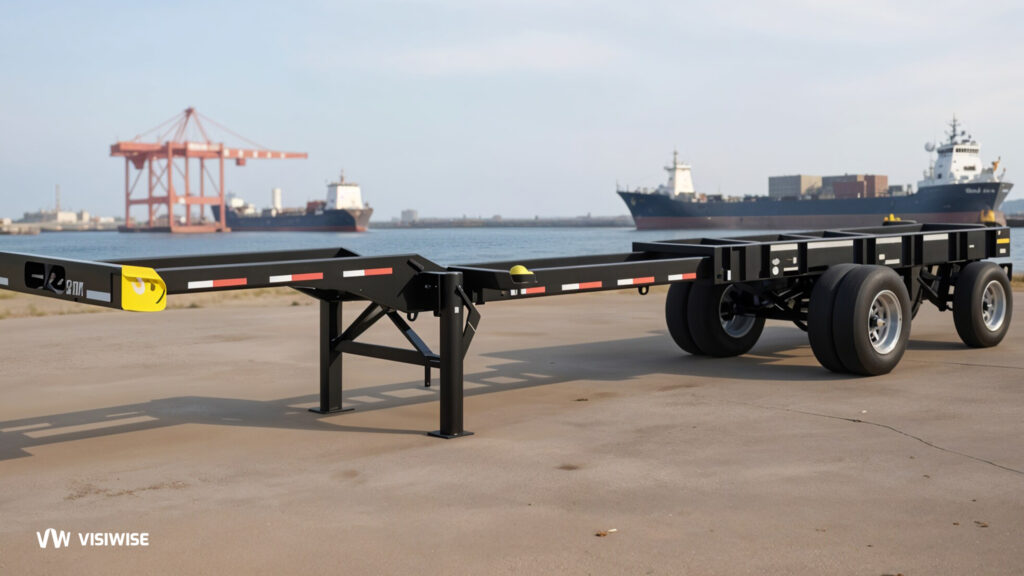
The Invisible Backbone of Your Daily Life: Container Chassis
In our era of instant deliveries, chassis availability often makes or breaks supply chains. Ports grind to a halt without enough units, while truckers lose precious hours hunting for available ones. That’s why smarter chassis management systems are revolutionizing how these essential assets circulate.