

Just-In-Time (JIT) production is a manufacturing philosophy focused on eliminating waste across the entire production process. By producing goods only in response to specific customer demand, JIT reduces excess inventory, lowers storage costs, and improves quality. This approach helps manufacturers deliver the right products at the right time while maintaining efficient, cost-effective operations.
Trade Guide
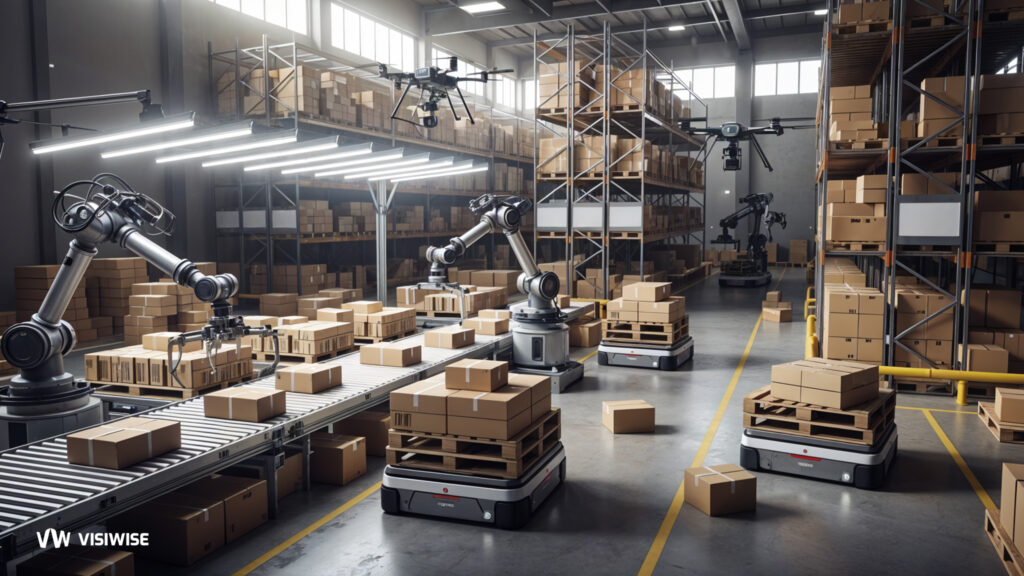
Artificial Intelligence and the Future of Logistic Industry
Artificial intelligence is reshaping logistics and shipping by replacing reactive processes with intelligent, data-driven systems. From warehouse automation and order fulfillment to container shipping and port operations, AI improves visibility, accelerates decision-making, and strengthens resilience across global supply chains. This article explores how AI is driving more predictive and efficient logistics management.
AI in Supply Chain Risk Management: Real-World Examples & Benefits
AI is redefining supply chain risk management by turning reactive processes into predictive, data-driven systems. From supplier risk scoring to real-time disruption alerts, artificial intelligence helps companies anticipate issues before they occur. This article explores real-world examples and key benefits of using AI to build smarter, more resilient supply chains.
The Transformative Power of AI in Supply Chain Management: A Comprehensive Study
Artificial intelligence is reshaping supply chain management by improving visibility, prediction, and intelligent decision-making across forecasting, inventory, logistics, and supplier risk. This article provides a comprehensive overview of AI applications in the supply chain, examines emerging opportunities such as autonomous orchestration and circular-economy models, and discusses key challenges including data quality, transparency, and organizational readiness.
The Rise of Artificial Intelligence in Global Logistics: Current Realities, Emerging Opportunities & The Future of Smart Supply Chains
Artificial Intelligence is reshaping global logistics faster than any technology before it. From real-time route optimization to predictive demand planning and automated warehouses, AI now sits at the center of modern supply chains. In this article, we break down what’s happening today, the emerging opportunities ahead, and how AI is redefining the future of smart, efficient, and resilient logistics operations.
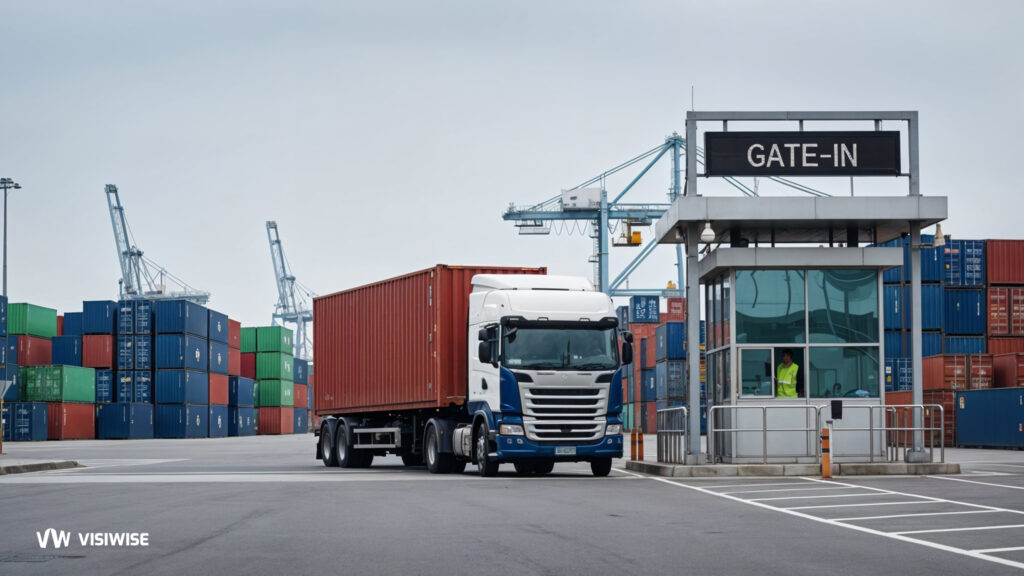
The “5 Days Before” Rule: Stop Demurrage Before the Ship Docks
If You’re Waiting for the “Discharged” Notification, You’re Already Late Picture this scenario: It’s Tuesday morning. You get a notification…
The Ultimate 2025 Guide to Per Diem, Detention, Demurrage & Storage Charges in Container Shipping
Demurrage and per diem are two of the most confusing—yet costly—charges in container shipping. While both relate to time limits on using containers, they apply at different stages of the logistics process. In this guide, we break down what each fee means, how they’re calculated, and the best strategies to avoid unexpected charges and keep shipping costs under control.

The World’s Top Transshipment Ports: Global Hubs for Efficient Shipping
Transshipment plays a major role in global logistics, and a handful of ports handle most of this activity. In this guide, we look at the world’s top transshipment hubs for 2024–2025, highlight their TEU volumes, and explain what makes each port a critical connection point in global trade.
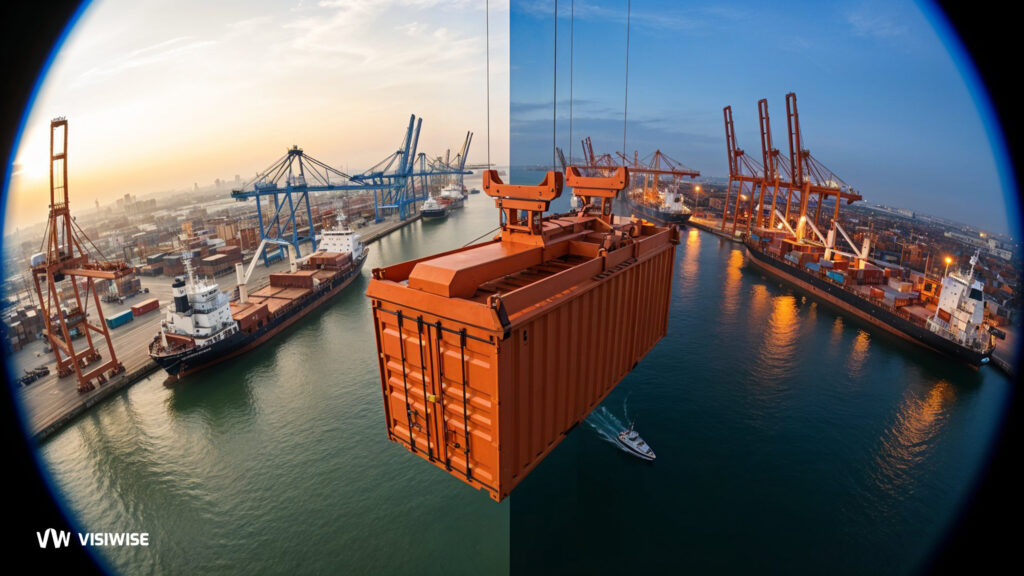
Transshipment Ports: Definition, Importance, and Global Hubs in Shipping
Transshipment ports are the backbone of global logistics, enabling cargo to move efficiently between trade lanes and vessel networks. Yet their impact on supply chains is often overlooked. This guide explains what transshipments are, how they operate, and why they influence everything from shipping schedules to large-scale disruptions in global commerce. We also highlight the world’s major transshipment hubs and their role in keeping international trade flowing smoothly.
Gate In and Gate Out Explained: Shipping Terms, Freight Quotes, and Container Operations
In container shipping, “gate in” and “gate out” mark crucial points in a container’s journey through a terminal. These steps impact freight quotes, storage fees, and overall logistics efficiency. In this guide, we explain what each term means, how they affect billing, and why tracking gate movements is vital for smooth container operations.