Artificial intelligence is reshaping supply chain management by improving visibility, prediction, and intelligent decision-making across forecasting, inventory, logistics, and supplier risk. This article provides a comprehensive overview of AI applications in the supply chain, examines emerging opportunities such as autonomous orchestration and circular-economy models, and discusses key challenges including data quality, transparency, and organizational readiness.
The Rise of Artificial Intelligence in Global Logistics: Current Realities, Emerging Opportunities & The Future of Smart Supply Chains
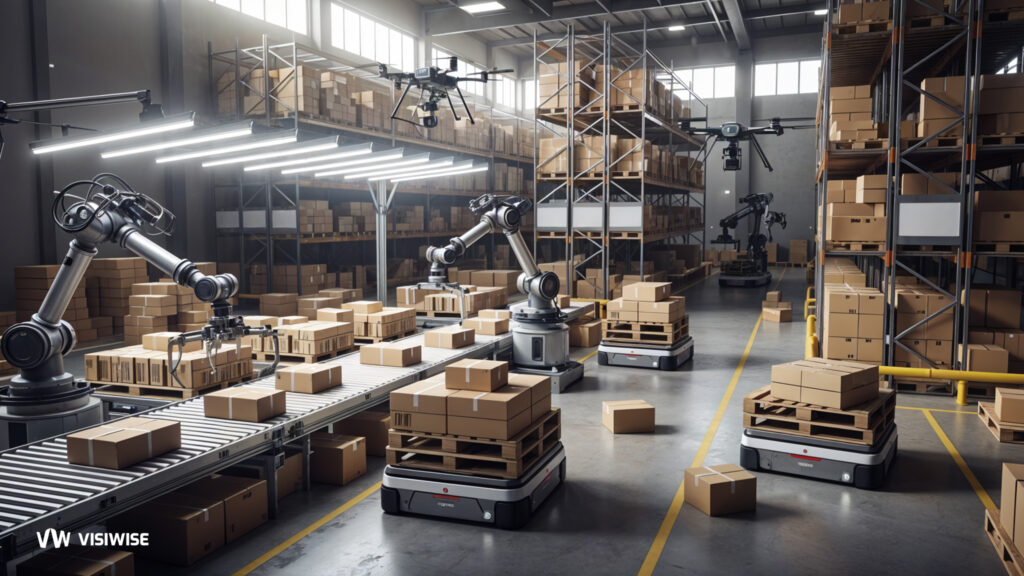
Artificial Intelligence is reshaping global logistics faster than any technology before it. From real-time route optimization to predictive demand planning and automated warehouses, AI now sits at the center of modern supply chains. In this article, we break down what’s happening today, the emerging opportunities ahead, and how AI is redefining the future of smart, efficient, and resilient logistics operations.
Is Your Supply Chain Running on a Spreadsheet?
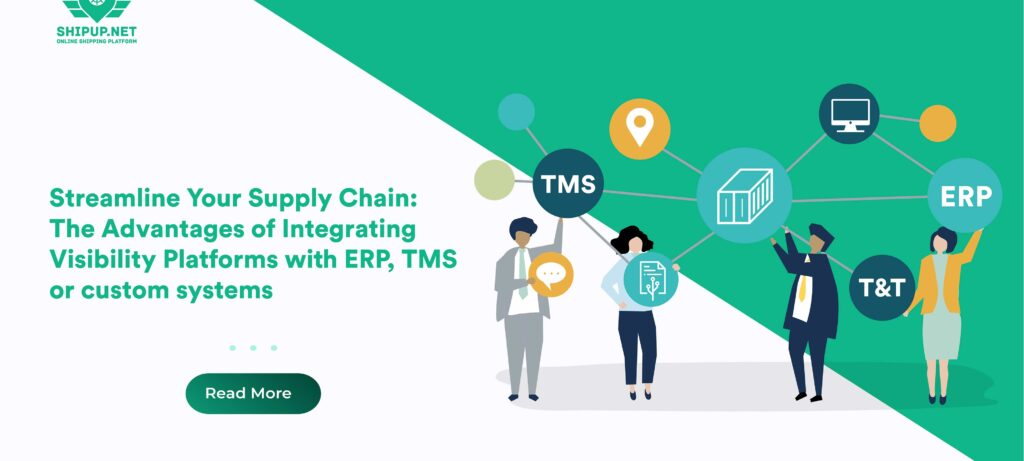
Streamline Your Supply Chain: The Advantages of Integrating Visibility Platforms with ERP, TMS or custom systems
While integrating a shipment visibility platform can bring many benefits, there are also some challenges to be aware of. For example, some businesses may struggle with the technical aspects of integration, or may face resistance from employees who are used to working with a different system
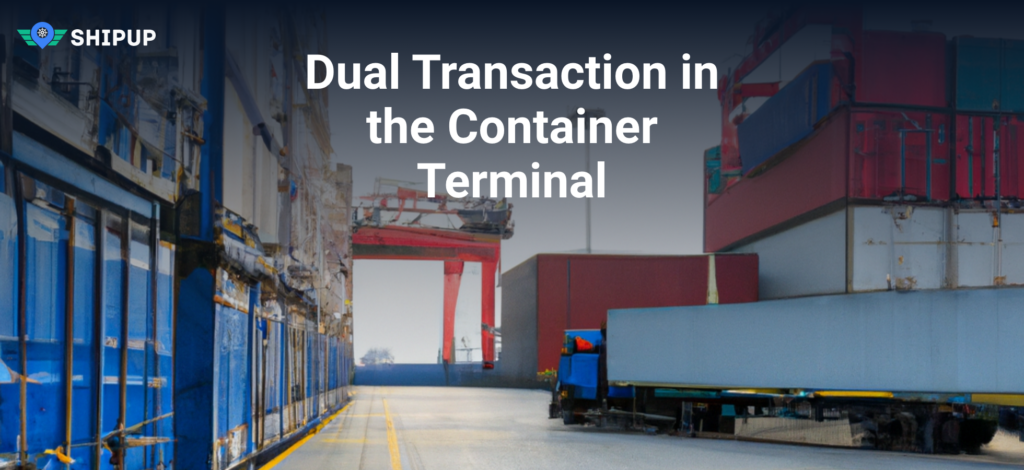
Dual Transaction in the Container Terminal
In the context of container terminals, a dual transaction is a process in which the handling of a container is recorded twice – once when it is loaded onto a ship and again when it is unloaded at its destination. This allows for a more accurate and transparent record of the movement of containers within the terminal and across the supply chain.
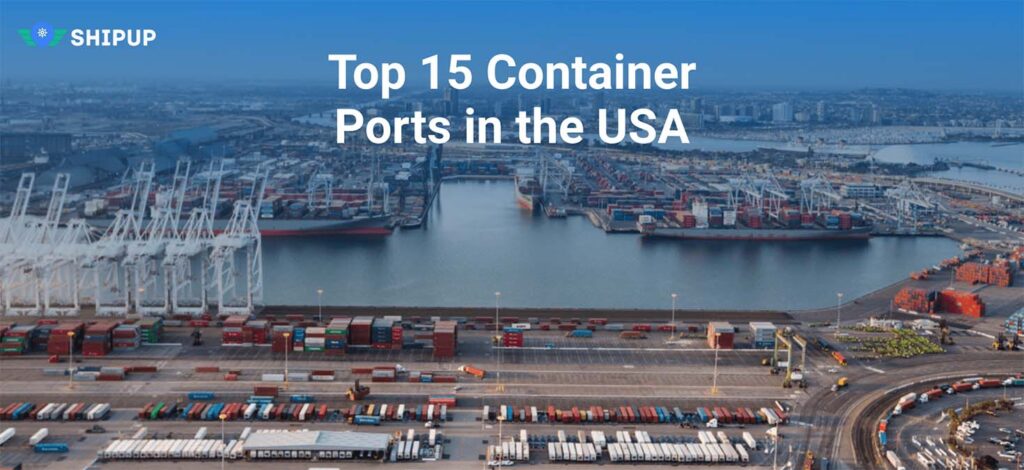
Top 15 Container Ports in the USA
The United States is a major player in the global shipping industry, and its container ports serve as gateways for the import and export of goods from around the world. In this post, we’ll introduce the top 15 container ports in the country by volume and highlight some key facts about each of them.
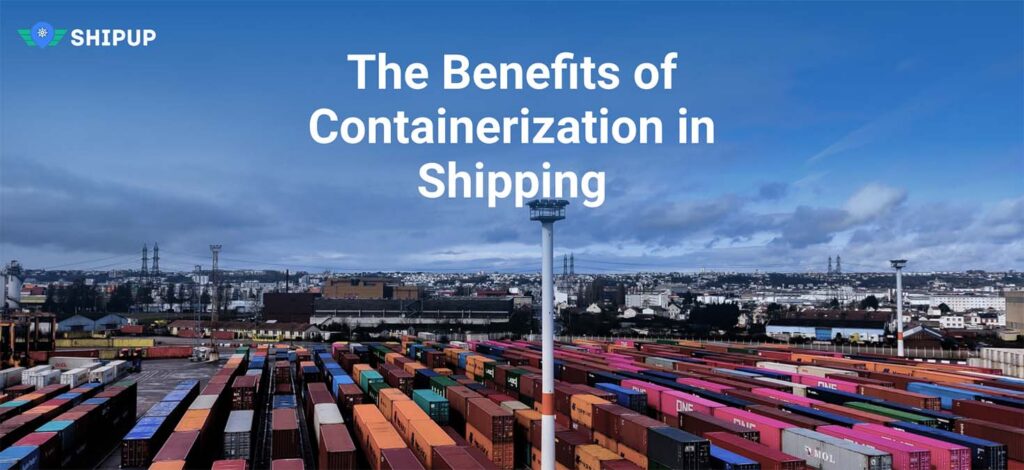
The Benefits of Containerization in Shipping
Containerization is a method of transporting goods using standardized containers, which can be easily moved between different modes of transportation, such as ships, trains, and trucks. This has revolutionized the shipping industry by reducing costs, increasing efficiency, and facilitating global trade
Navigating the Complexities of Maritime Supply Chain Management
Maritime supply chain management is the process of coordinating the movement of goods by sea from their point of origin to their final destination. It involves a complex network of shipping companies, ports, cargo handling facilities, and customs and regulatory agencies that work together to ensure the smooth flow of international trade
Exploring the Different Types of Logistic Service Providers
Logistic service providers play a vital role in various industries, facilitating the transportation, storage, distribution, and management of goods and packages. It is essential to carefully consider which logistic service provider is the most suitable for a business, taking into account factors such as cost, quality of service, the network of partners and locations, technology and automation, and capacity and scalability
Dry Shipping
Dry shipping means that there is no need to use refrigerated containers, and the goods are dry. This is the most common meaning for the term “Dry” in shipping. However, you may hear this word in different contexts in the shipping industry, and you should consider the different meanings each time.
“Notification” on Visiwise
Visiwise provides visibility for those who are looking for ways to improve their shipment management. With Visiwise Dashboard, you can keep track of your on-going shipments regardless of how many you have. “Email Notification” is one of Visiwise’s most popular tools, and you can use it to stay informed about the current situation and changes of your shipments and gain greater visibility for your cargo management. First, let’s talk about visibility.
Shipping New Challenges: A Look at Container Ship Routes
Container ships are a vital part of modern global trade and commerce, transporting large quantities of merchandise from one country to another. With the increasing demand for goods both domestically and internationally, container ships have become an essential mode of transportation for businesses around the world.