

Just-In-Time (JIT) production is a manufacturing philosophy focused on eliminating waste across the entire production process. By producing goods only in response to specific customer demand, JIT reduces excess inventory, lowers storage costs, and improves quality. This approach helps manufacturers deliver the right products at the right time while maintaining efficient, cost-effective operations.
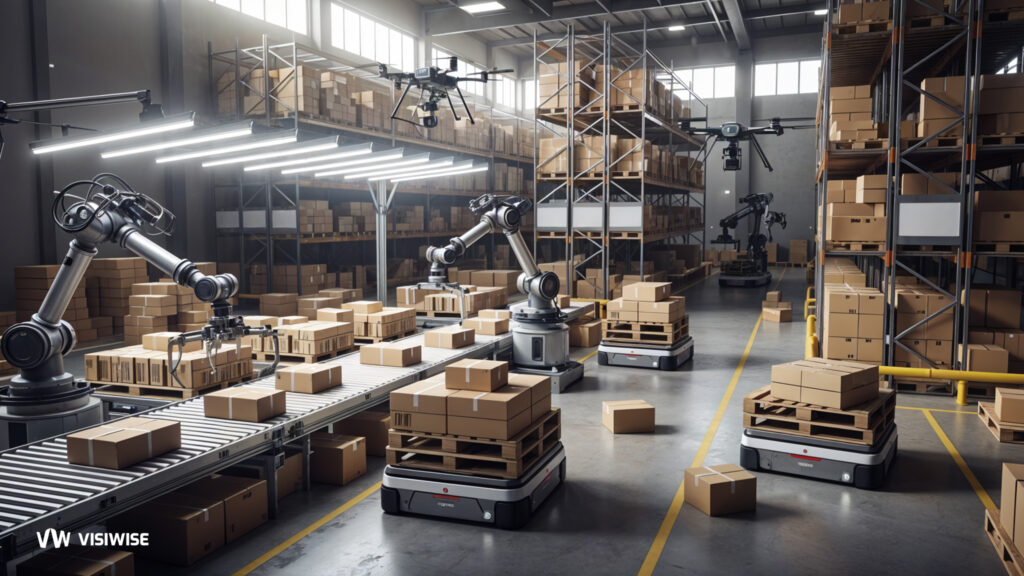
Artificial Intelligence and the Future of Logistic Industry
Artificial intelligence is reshaping logistics and shipping by replacing reactive processes with intelligent, data-driven systems. From warehouse automation and order fulfillment to container shipping and port operations, AI improves visibility, accelerates decision-making, and strengthens resilience across global supply chains. This article explores how AI is driving more predictive and efficient logistics management.
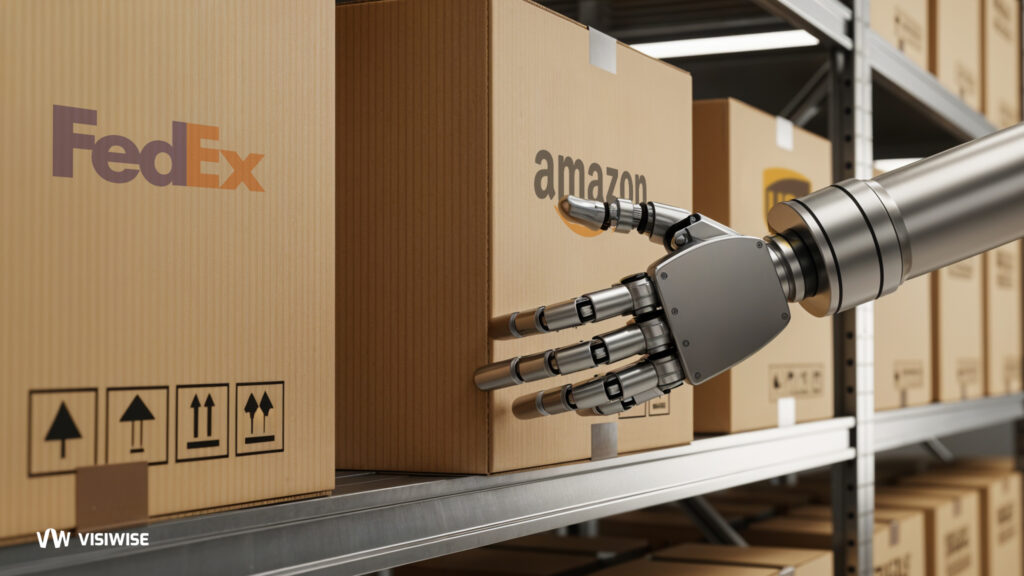
AI in Supply Chain Risk Management: Real-World Examples & Benefits
AI is redefining supply chain risk management by turning reactive processes into predictive, data-driven systems. From supplier risk scoring to real-time disruption alerts, artificial intelligence helps companies anticipate issues before they occur. This article explores real-world examples and key benefits of using AI to build smarter, more resilient supply chains.
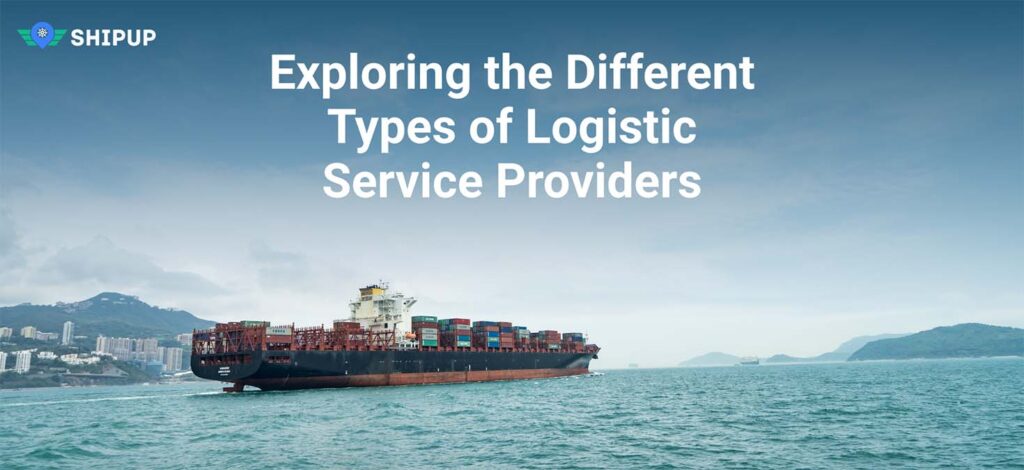
Exploring the Different Types of Logistic Service Providers
Logistic service providers play a vital role in various industries, facilitating the transportation, storage, distribution, and management of goods and packages. It is essential to carefully consider which logistic service provider is the most suitable for a business, taking into account factors such as cost, quality of service, the network of partners and locations, technology and automation, and capacity and scalability
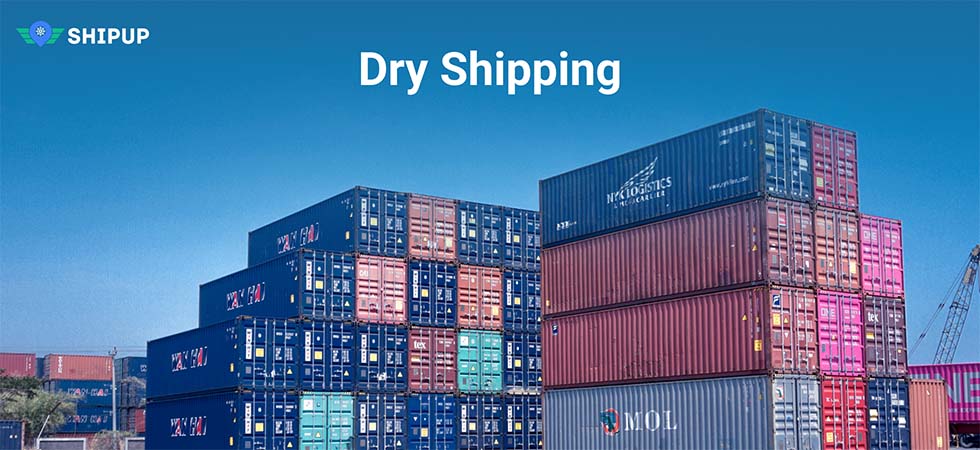
Dry Shipping
Dry shipping means that there is no need to use refrigerated containers, and the goods are dry. This is the most common meaning for the term “Dry” in shipping. However, you may hear this word in different contexts in the shipping industry, and you should consider the different meanings each time.
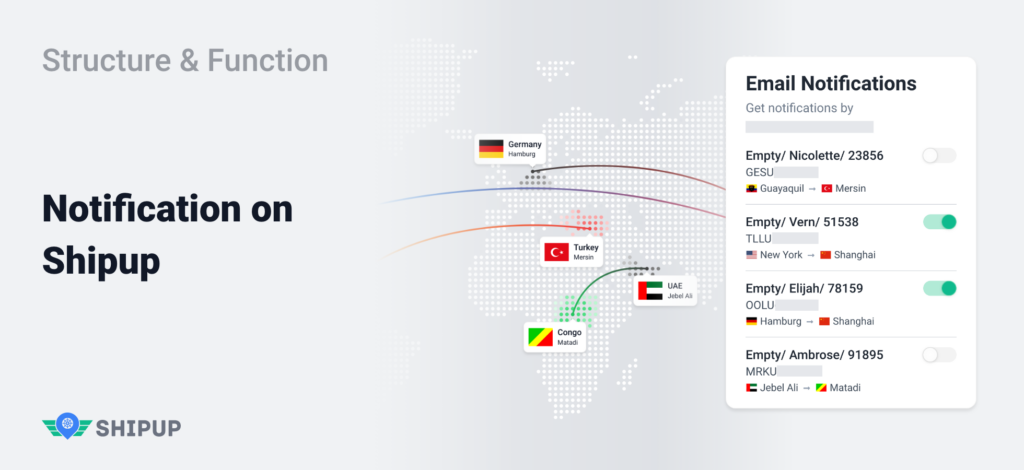
“Notification” on Visiwise
Visiwise provides visibility for those who are looking for ways to improve their shipment management. With Visiwise Dashboard, you can keep track of your on-going shipments regardless of how many you have. “Email Notification” is one of Visiwise’s most popular tools, and you can use it to stay informed about the current situation and changes of your shipments and gain greater visibility for your cargo management. First, let’s talk about visibility.
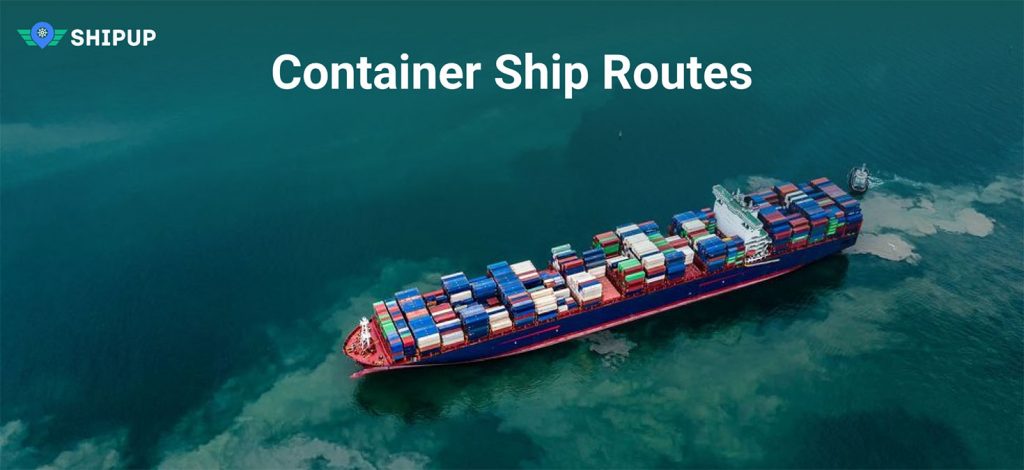
Shipping New Challenges: A Look at Container Ship Routes
Container ships are a vital part of modern global trade and commerce, transporting large quantities of merchandise from one country to another. With the increasing demand for goods both domestically and internationally, container ships have become an essential mode of transportation for businesses around the world.
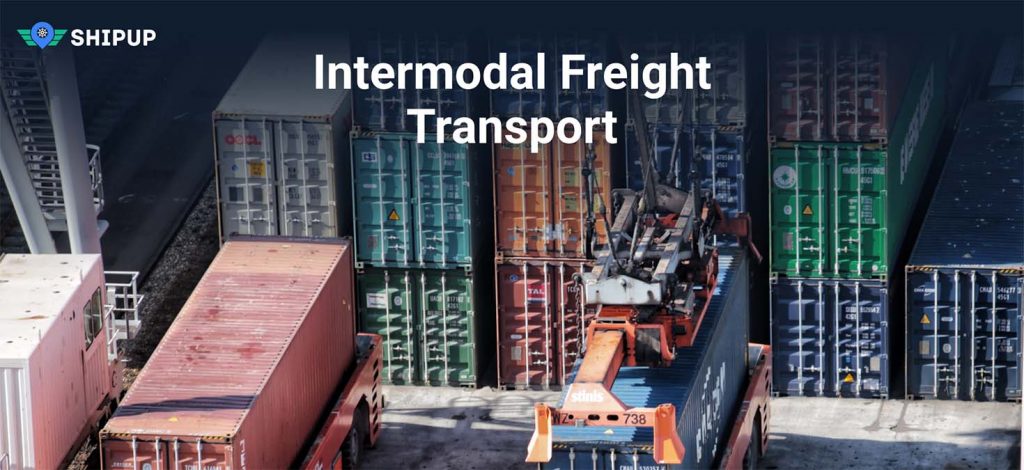
Intermodal Freight Transport
Intermodal freight transport is an important part of the global logistics network. It involves combining multiple modes, such as rail and truck, to move products from one destination to another
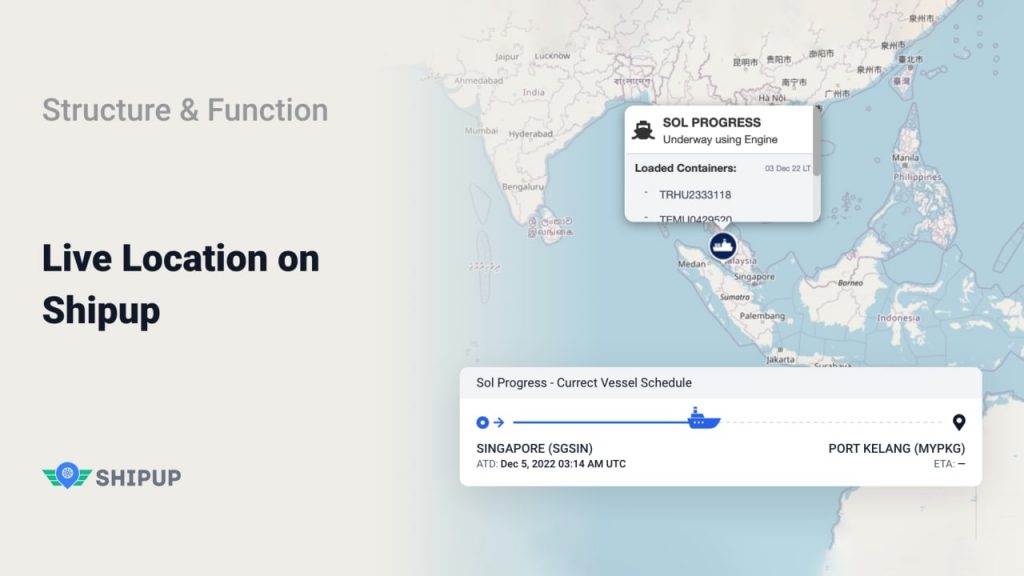
“Live Location” on Visiwise
Cargo management is the process of organizing and controlling the storage and transportation of goods. Proper cargo management is essential for businesses that want to optimize their shipping operations and reduce costs.
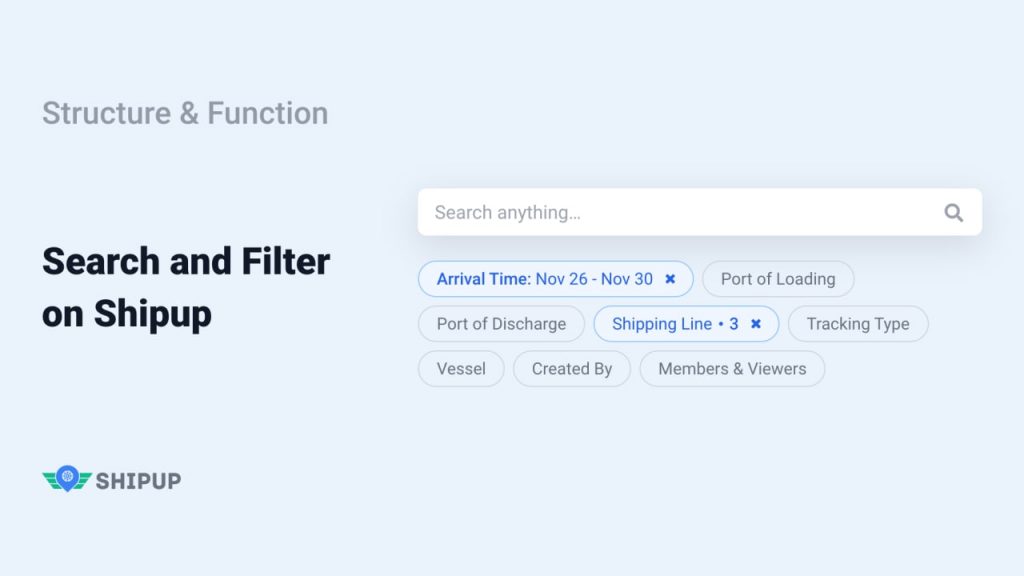
“Search” on Visiwise
Visiwise Dashboard provides you with different tools to let you have a full picture of your ongoing shipments. One of the most popular tools on Visiwise is “Search” and you can use it to find your shipment easily and bring visibility to your workflow more than ever
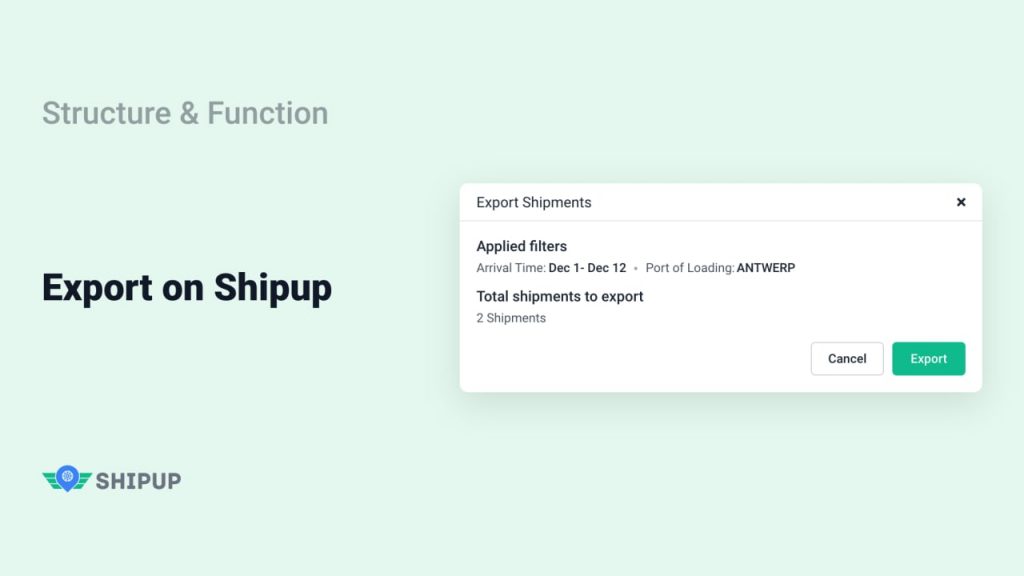
“Export” on Visiwise
Cargo management is the process of organizing and controlling the transportation of goods. It includes the planning, coordination, and execution of all activities related to the movement of goods
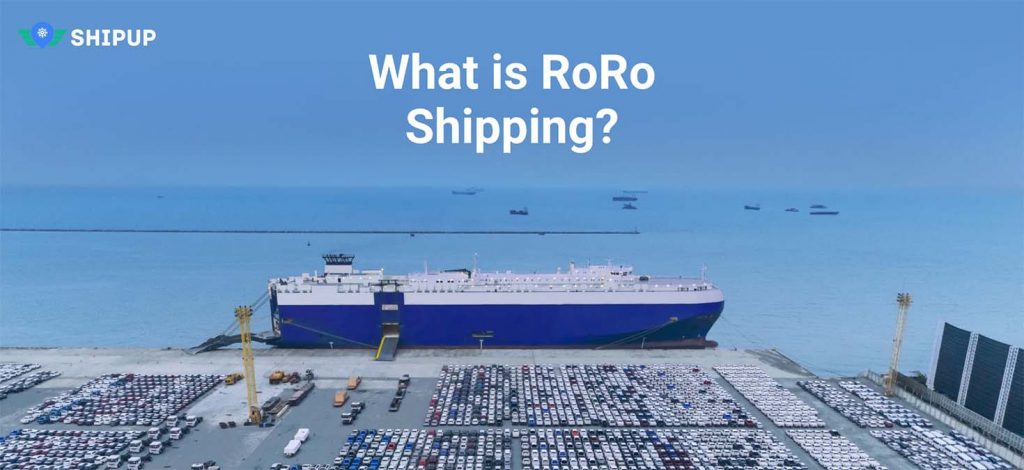
What are RoRo Shipments?
RoRo tracking is the process of keeping track of vehicles as they are loaded onto and unloaded from ships. This is done in order to ensure that the correct number of vehicles are loaded and unloaded, and that they are all accounted for. RoRo tracking is a vital part of logistics and supply chain management, and helps to keep track of inventory levels and movements.